


Laser Cladding Solutions for Agricultural Machinery Wear Parts
Laser Cladding Solutions for Agricultural Machinery Wear Parts

Laser Cladding Solutions for Agricultural Machinery Wear Parts

Laser Cladding Solutions for Agricultural Machinery Wear Parts

Laser Cladding Solutions for Agricultural Machinery Wear Parts
Laser Cladding Solutions for Agricultural Machinery Wear Parts
Laser Cladding Solutions for Agricultural Machinery Wear Parts
Laser cladding can strengthen new agricultural wear parts and restore selected worn surfaces. This application guide explains suitable components, common wear conditions, coating selection factors, and how to choose between dedicated and robotic laser cladding equipment.
Description
Laser Cladding for Agricultural Wear Problems
Agricultural machinery parts often operate in soil, sand, stones, moisture and fertilizer. These working conditions can cause abrasive wear, impact damage, corrosion and dimensional loss.
Laser cladding applies a metallurgically bonded protective layer to selected working areas. It can be used for surface strengthening of new parts or restoration of suitable worn components.
Typical Agricultural Applications
Laser cladding may be applied to:
- Plowshares and soil-engaging tools
- Cultivator points and subsoiler teeth
- Rotary tiller and harvester blades
- Augers and conveying components
- Feed mixer and agricultural processing parts
- Selected shafts, bearing seats and worn surfaces
The cladding position and coating design should be determined according to the actual wear area instead of covering the entire component unnecessarily.

New Part Strengthening and Worn Part Repair
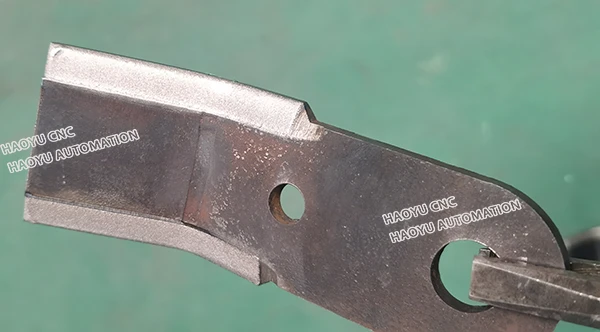
For new agricultural tools, laser cladding can reinforce edges, tips and other high-wear areas before use.
For worn components, damaged surfaces may be rebuilt to restore dimensions and improve service performance. The suitability of repair depends on the base material, wear depth, cracks and operating conditions.

Coating Material Selection
Different working conditions require different cladding materials:
- Iron-based alloys for economical wear protection
- Nickel-based alloys for combined wear and corrosion resistance
- Cobalt-based alloys for demanding heat and wear conditions
- Carbide-reinforced coatings for severe abrasive environments
The final material should be selected after evaluating the substrate, impact load, soil conditions, corrosion exposure and required service life. Exact alloy formulations and process parameters can be provided after application evaluation.
Choosing the Appropriate Equipment
Dedicated laser cladding equipment is suitable for parts with relatively consistent shapes and repeatable processing paths.
Robotic laser cladding is more suitable for irregular surfaces, curved parts, multiple processing angles and flexible production involving different component models.

For equipment selection, please view:
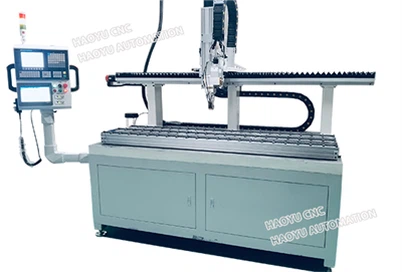
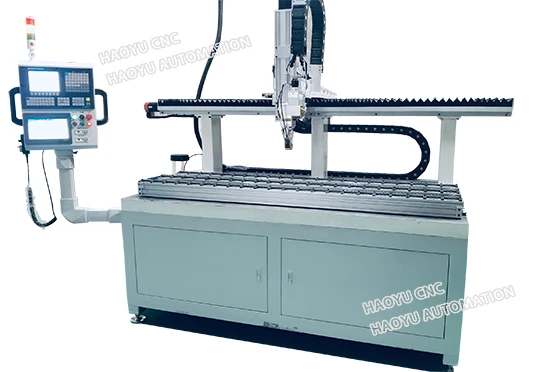
Laser cladding machine for agricultural machinery parts
Information Required for Application Evaluation
Please provide:
- Component photos or drawings
- Base material and approximate dimensions
- Main wear position and wear type
- Current service life
- Working environment
- Expected coating area
- Estimated production quantity
Our team can evaluate the application and recommend a suitable cladding material, processing method and equipment configuration.
Send Your Part for Evaluation
Send us photos and basic information about your agricultural wear part. We will help you determine whether laser cladding is suitable and recommend a practical solution for strengthening or repair.
Hot Tags: Laser Cladding Solutions for Agricultural Machinery Wear Parts, China, manufacturers, suppliers, factory
Send Inquiry
You Might Also Like