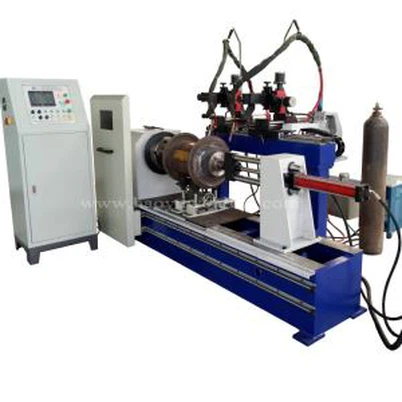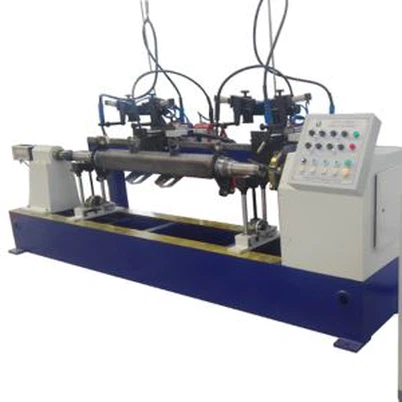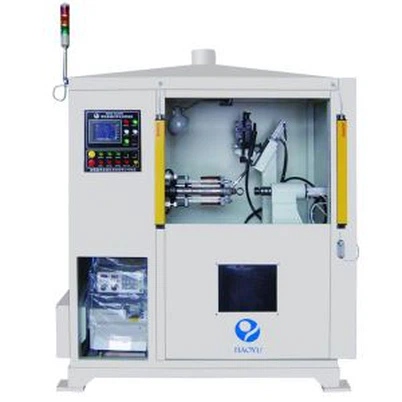

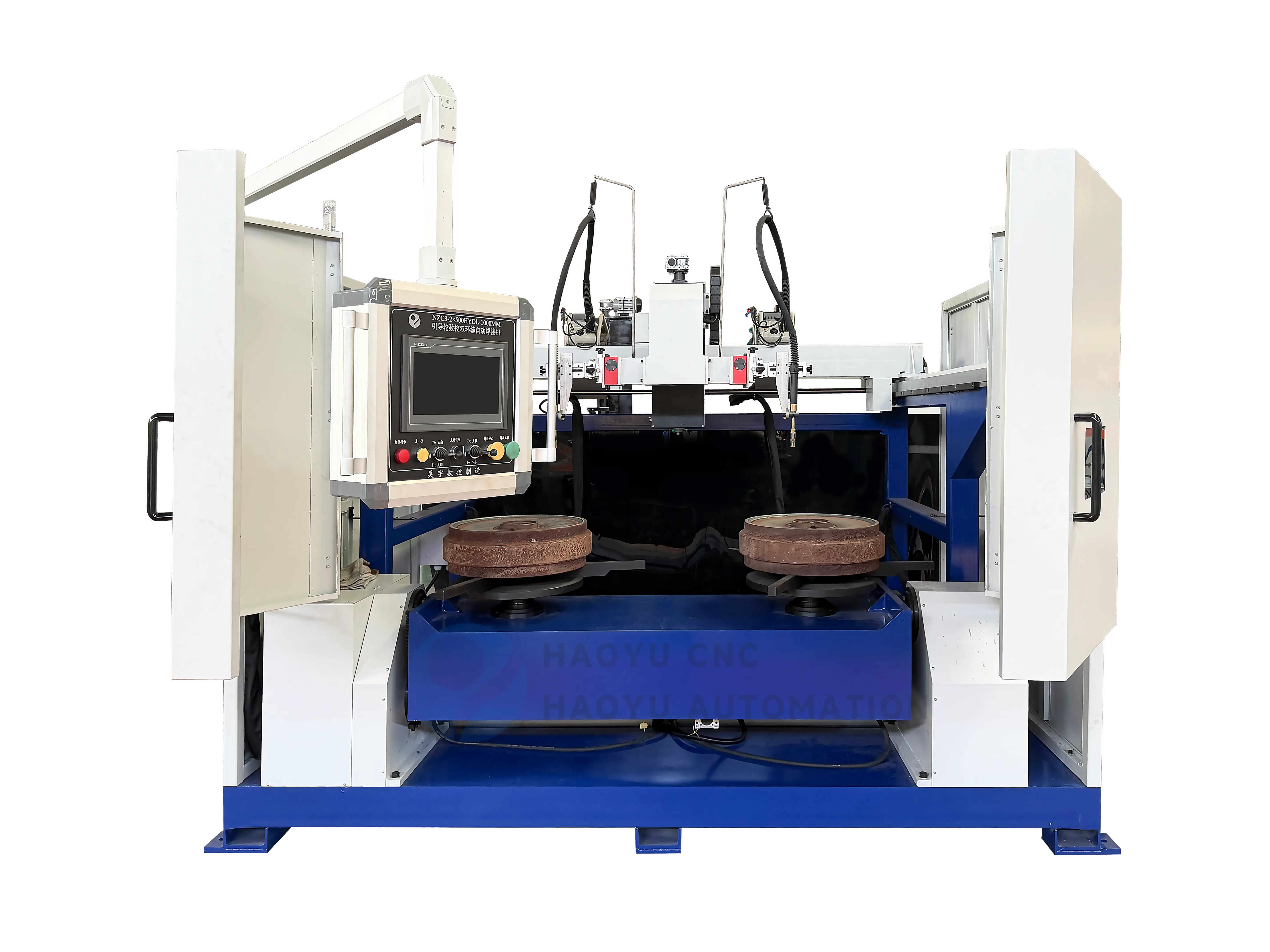
Automatic Idler Wheel Welding Machine
Explore our idler wheel welding machine for track-type construction machinery. Customized welding solutions are available based on workpiece dimensions, joint design and production requirements.
Description
Idler Wheel Welding Machine for Track-Type Construction Machinery
An Idler Wheel Welding Machine is designed for welding idler wheel components used in track-type undercarriages. It provides a dedicated welding solution for manufacturers producing track idlers and related construction machinery components.
The machine can be configured according to the workpiece structure, joint position, material, dimensional range and required welding process. Depending on the application, the welding system may incorporate workpiece positioning, rotary fixtures, a welding torch assembly and controlled welding movements to support a consistent production process.
For manufacturers seeking to improve welding consistency and reduce repetitive manual operations, an automatic track idler welding machine can be developed to match their component design and production workflow.
What Workpieces Can This Machine Weld?
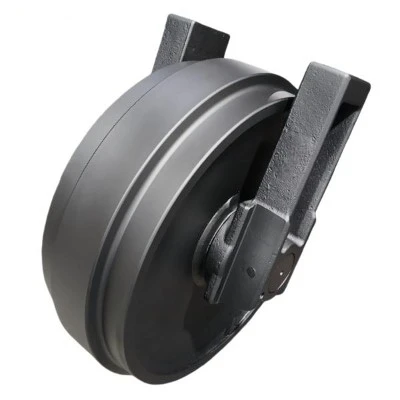
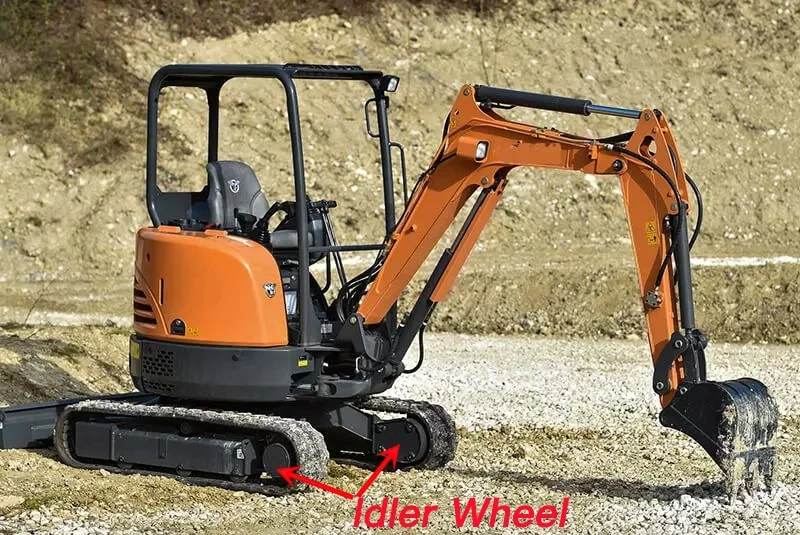
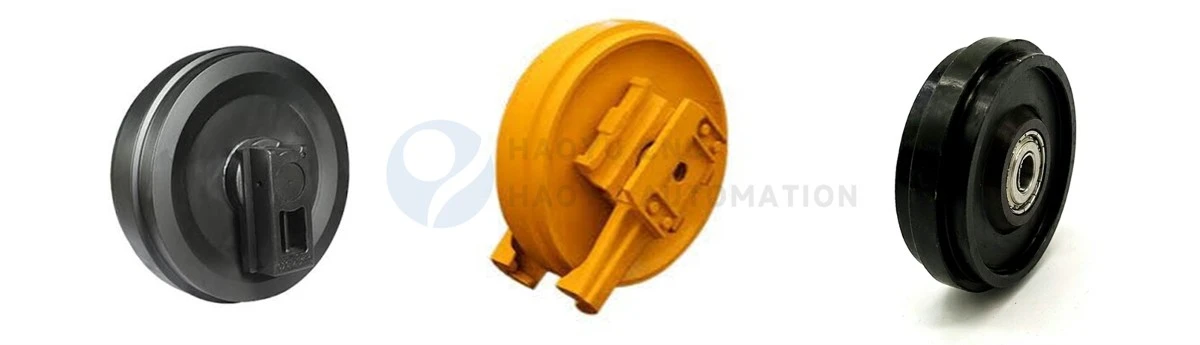
This welding equipment is intended for track idlers used in tracked construction machinery. The actual welding applications depend on the design of the idler assembly and the joints that need to be welded.
Potential applications may include:
- Track idler wheel assemblies for excavators.
- Idler components used in bulldozers and other tracked machinery, subject to workpiece compatibility.
- Circular joints between idler components where the specified welding process is suitable.
- Customized idler wheel components requiring dedicated positioning and welding arrangements.
Before selecting a machine, the manufacturer should confirm the exact workpiece structure, joint location, welding requirements and dimensional range. These details determine the appropriate fixture, rotation mechanism and torch configuration.
How Does an Automatic Idler Wheel Welding Machine Work?
The welding process is configured according to the component design and production requirements. A typical workflow may include the following steps:
1.Workpiece loading and positioning: The operator loads the idler component into the designated fixture.
2.Workpiece clamping: The fixture locates and secures the component to maintain its required position during welding.
3.Welding setup: The operator or control system sets the applicable welding parameters and torch position.
4.Welding operation: The machine performs the programmed or controlled welding movement according to the selected configuration.
Unloading and inspection: The completed workpiece is removed and inspected against the customer's welding quality requirements.
The actual loading method, rotation sequence, torch movement and level of automation can be customized. Automatic loading, unloading or integrated inspection should only be specified when included in the proposed machine configuration.
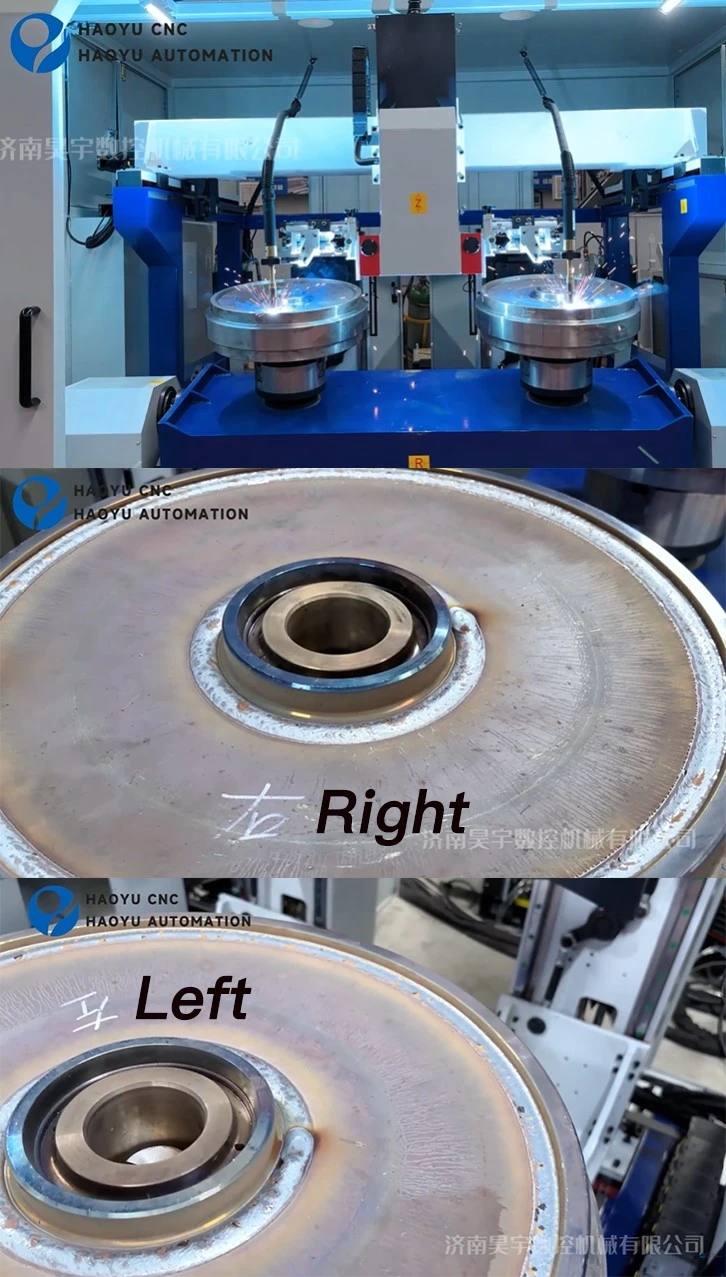
Watch the video below to see how our automatic idler wheel welding machine operates, from workpiece positioning to the welding process:
The technical parameters for the Idler Wheel Welding Machine
| Item |
|
| Workpiece material | carbon steel |
| Workpiece thicknes | 5 mm thick V-groove |
| Workpiece diameter range | 400-1000mm |
| Welding speed | 0.1-2 rpm |
| Welding current | 40-500A |
| Welding voltage | 10-40V |
| Welding wire diameter | 1.2-1.6mm |
| Welding process | MAG |
| Cooling method | Water cooling |
| machine working voltage | 380V+N |
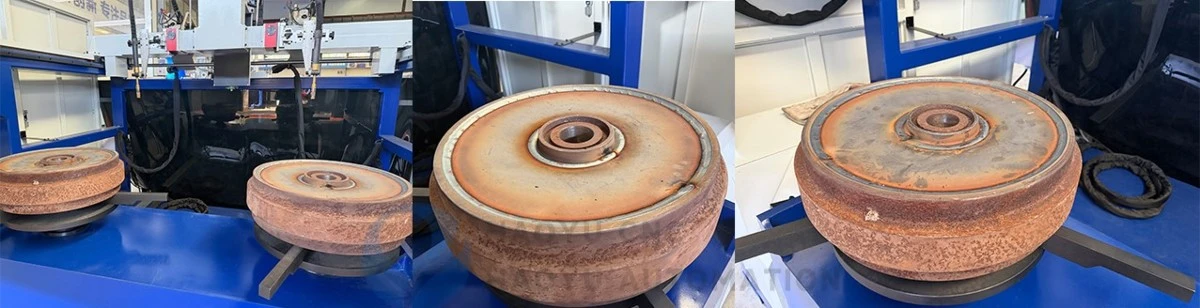
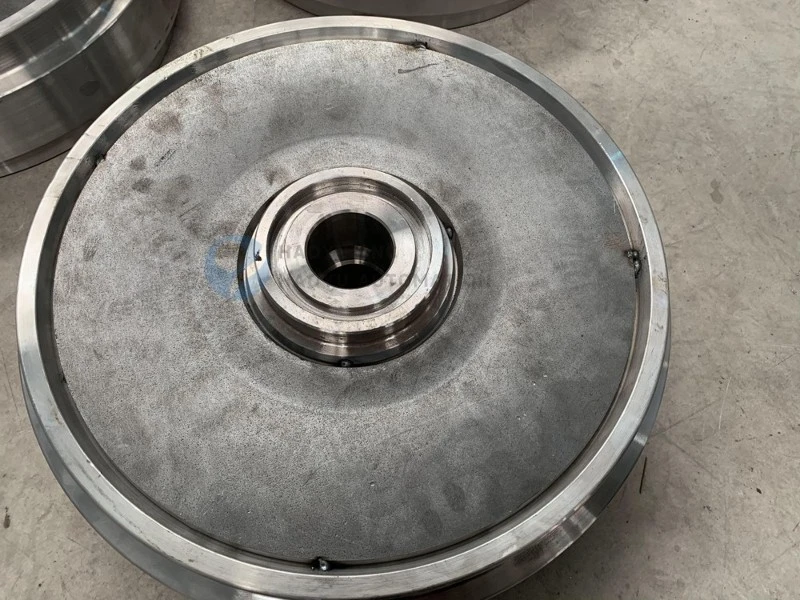
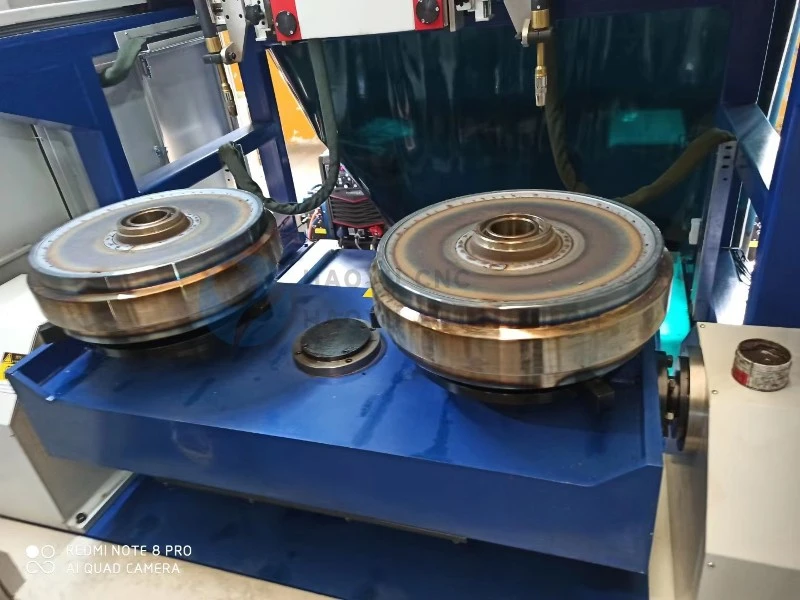
Before and after welding of the idler wheel workpiece:
Key Features of Our Idler Wheel Welding Equipment
1. Workpiece-Specific Fixture Design
The fixture can be designed around the idler wheel's geometry, joint position and dimensional requirements. Appropriate locating and clamping arrangements help maintain workpiece positioning during welding.
2. Configurable Welding System
The welding power source, torch arrangement, workpiece movement and control system can be selected according to the joint design and required welding process.
3. Consistent Welding Operation
Controlled welding movements and repeatable positioning can help reduce variations associated with manual operation. Actual weld quality depends on the workpiece, joint preparation, welding procedure and machine configuration.
4. Customization for Different Idler Designs
Different idler models may have different diameters, widths, joint locations and fixture requirements. The equipment can be engineered around the customer's confirmed workpiece range and production needs.
Why Choose a Customized Track Idler Welding Machine?
Track idler components can vary considerably between machinery models and manufacturers. A machine designed around the actual workpiece is more practical than selecting equipment based on the product name alone.
When developing a welding solution, we consider:
- Workpiece geometry: Overall dimensions, component structure and joint accessibility.
- Welding requirements: Joint type, weld dimensions, welding position and applicable welding procedure.
- Production capacity: Required output, operating cycle and production schedule.
- Automation level: Manual loading, assisted positioning or additional automated operations.
- Future production needs: Whether tooling adjustments or additional configurations are required for other idler models.
These factors help define a machine configuration that fits the customer's production process instead of relying on generic equipment specifications.
Applications in Construction Machinery Manufacturing
The machine is intended primarily for manufacturers producing idler wheels and related components for tracked machinery.
Potential application areas include:
- Excavator undercarriage component manufacturing.
- Bulldozer undercarriage component production, where the workpiece is compatible.
- Specialized track idler manufacturing and fabrication.
- Custom welding operations for steel undercarriage components.
The suitability of the machine for each application should be confirmed against the actual component drawing and welding requirements.
How to Select the Right Idler Wheel Welding Machine
To develop a suitable automatic welding solution, we recommend confirming the following information before quotation.
|
Information required |
Why it matters |
|---|---|
|
Workpiece drawing or sample |
Identifies the component structure and joint location |
|
Idler wheel diameter and width |
Determines the working range and fixture dimensions |
|
Material and thickness |
Helps establish the welding process and parameters |
|
Weld joint type |
Determines torch access and welding movement |
|
Required welding process |
Helps define the power source and torch configuration |
|
Production target |
Helps determine the automation level and cycle-time requirements |
|
Automation expectations |
Clarifies loading, unloading and integration requirements |
Providing a workpiece drawing, clear photographs and the required welding locations allows us to assess the application more accurately.
FAQ
FAQ FOR THE IDLER WHEEL WELDING MACHINE
01.What types of workpieces can an idler wheel welding machine weld?
02.Can the machine be customized for different idler wheel sizes?
03.Can this machine perform circumferential welding?
04.Which welding process is suitable for track idler components?
05.How much does an idler wheel welding machine cost?
06.What information should I provide to obtain a quotation?
Request a Customized Idler Wheel Welding Solution
Are you looking for a welding machine for your track idler manufacturing process?
Send us your workpiece drawings, photographs or sample specifications. Our team can review the component structure, welding requirements and production targets to evaluate a suitable welding solution.
Contact us to discuss your idler wheel welding application and customized equipment requirements.
Hot Tags: automatic idler wheel welding machine, China, manufacturers, suppliers, factory
Send Inquiry
You Might Also Like