
What are the five axes of a five-axis welding machine?
Leave a message
What are the five axes of a five-axis welding machine?
In five-axis welding equipment, "five axes" refers to five coordinate axes that can move independently or collaboratively. These five axes together give the equipment the ability to precisely position and adjust the posture of welding tools (such as welding torches) in three-dimensional space. With these five axes, welding equipment can complete multi-angle welding of complex workpieces. Below is a detailed explanation of what each of the five axes in a welding equipment represents.
- Three linear motion axes (X, Y, Z): This is the foundation of all multi-axis equipment, responsible for enabling the welding torch or workpiece to move forward, backward, left, right, up, and down in three-dimensional space.
- Two rotary axes: These are added to the three linear axes, responsible for tilting the welding torch and rotating the workpiece via the chuck.


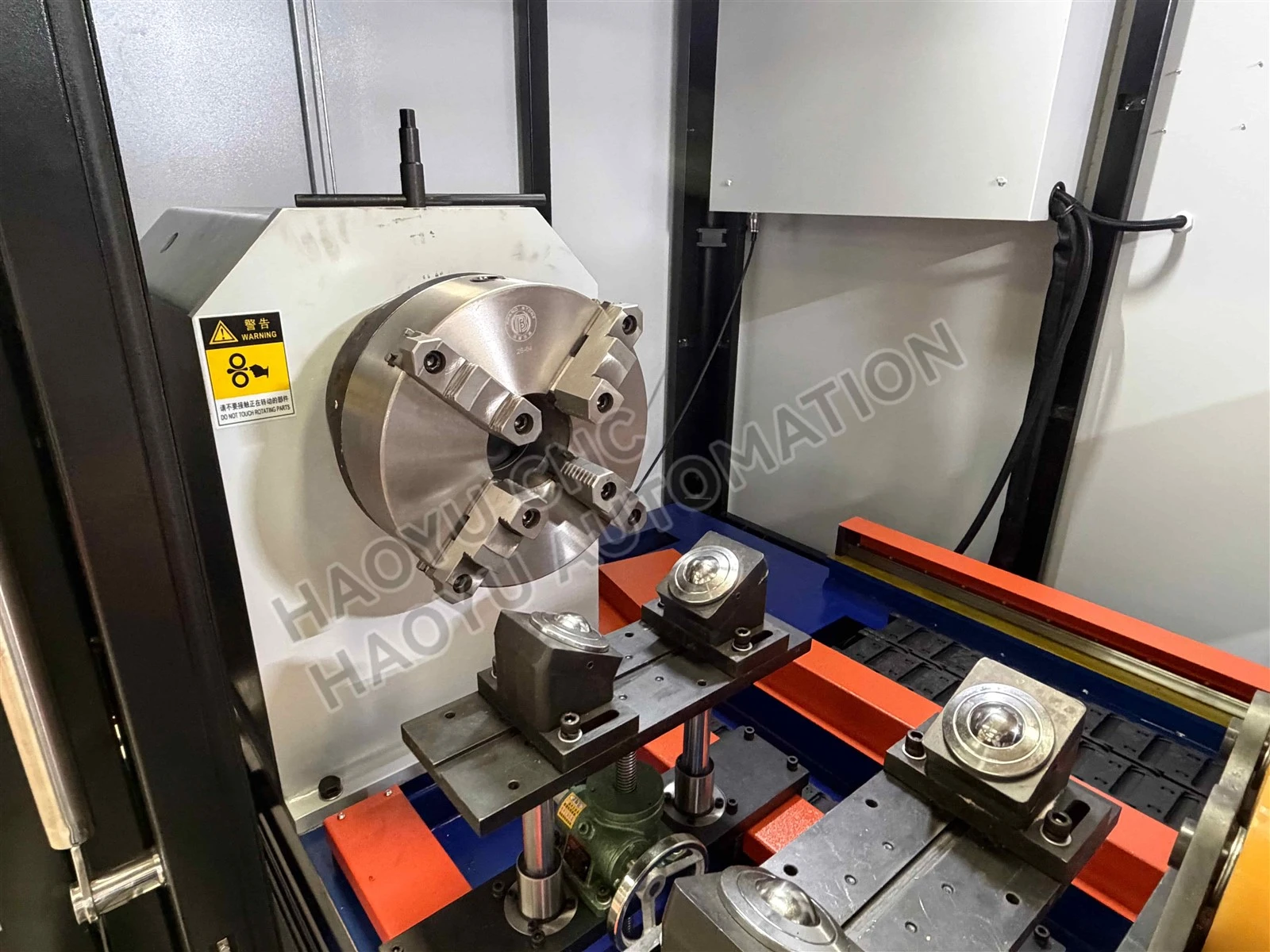
Therefore, the standard configuration of a five-axis machine is "3 linear axes + 2 rotary axes".
- The X-axis controls left-to-right movement;
- The Y-axis controls forward-to-backward movement;
- The Z-axis controls up-to-down movement.
- The A-axis controls tilt.
- The R-axis controls chuck forward and reverse
Why does the welding equipment need five axes? Can't we just weld them together directly?
Advantages of five-axis welding equipment:
- Wider coverage: Easily reaches hard-to-reach areas, achieving "dead-angle-free" welding.
- Higher welding quality: Through five-axis linkage, the welding torch's posture can be precisely controlled, ensuring uniform, aesthetically pleasing welds and more consistent quality.
- Stronger automation capabilities: Capable of automatically completing complex three-dimensional curve welding without manual intervention, significantly improving efficiency.
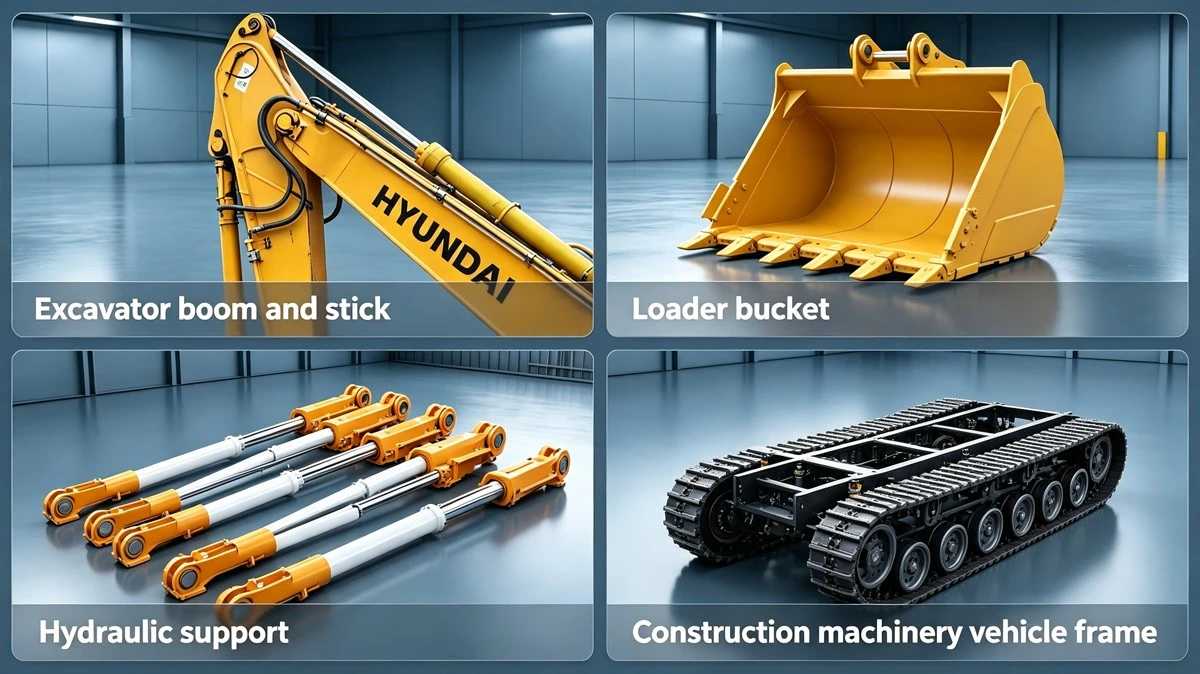
Five-axis welding machine equipment is mainly used for
1.Excavator boom and stick: The most critical structural components of an excavator, with complex shapes requiring welding at multiple angles.
2.Loader bucket: Bearing immense impact and wear, requiring extremely high weld strength.
3.Construction machinery chassis: The overall chassis or main frame of various heavy machinery, often requiring multiple welds to be completed in a single clamping operation.
4.Hydraulic supports: Large support structures in equipment such as coal mining machinery.
More Information For your reference
You can gain a clearer understanding of the working principle of five-axis welding by observing the entire welding process of a five-axis welding machine.
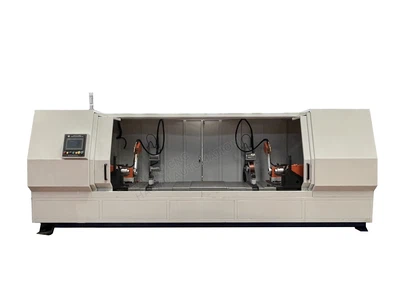
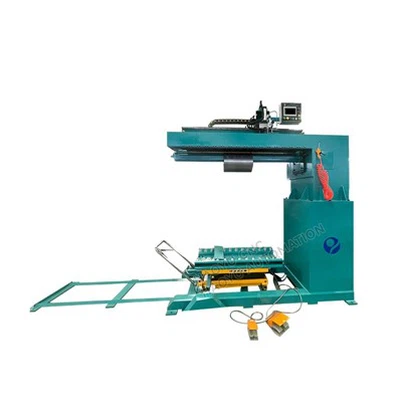
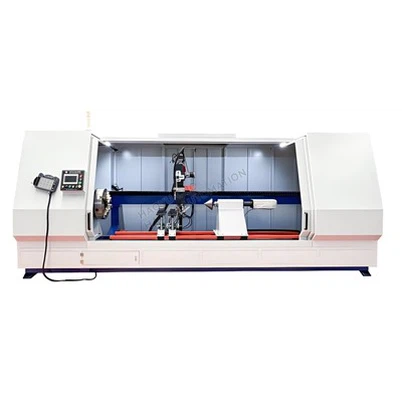
5-Axis CNC-Controlled Hydraulic Cylinder Welding System

5 Axis Welding Machine For Complex Multi-Angle Welding Applications

Five-axis welding machine vedio :
Five-axis automatic welding machine for piston rod or square port vedio
Contact us for more professional welding solutions.