


Powder-Fed Laser Cladding Machine
Industrial powder-fed laser cladding machine for shaft, roller, hydraulic rod and metal component repair. Configurable laser power, stable powder feeding and automatic CNC control.
Description
What's the Powder-Fed Laser Cladding Machine?
Industrial Equipment for Metal Surface Repair, Coating and Remanufacturing
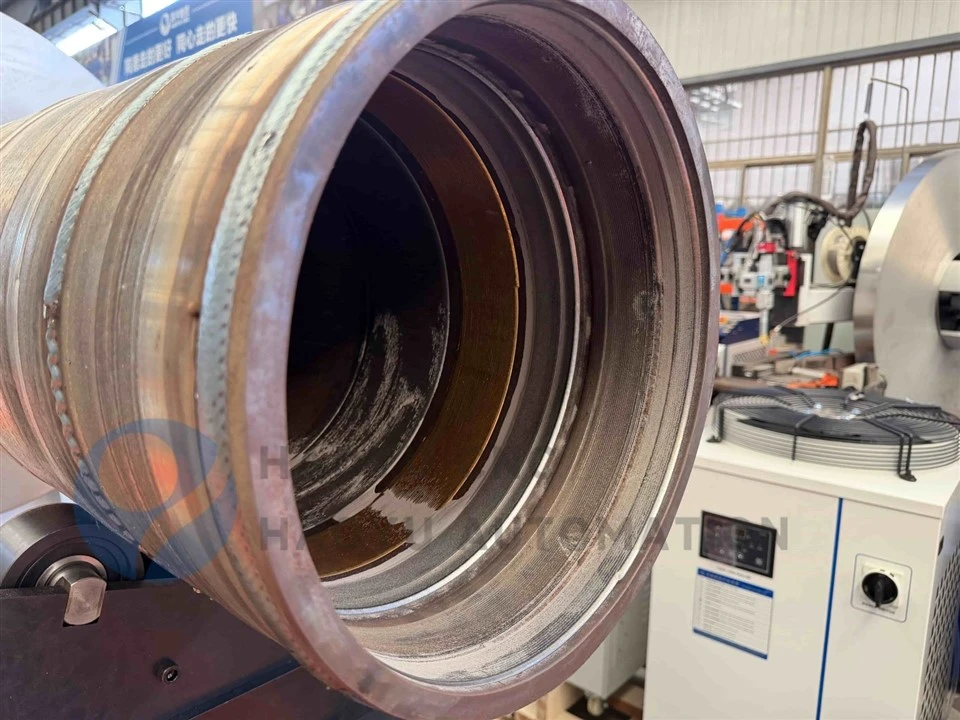
The [Brand] Powder-Fed Laser Cladding Machine is an automated industrial system developed for repairing worn metal parts, restoring component dimensions and applying wear- or corrosion-resistant coatings.
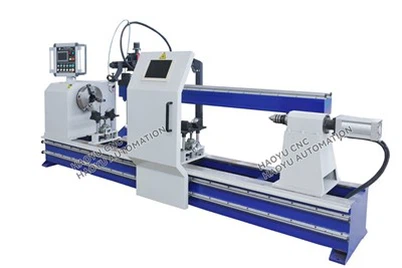
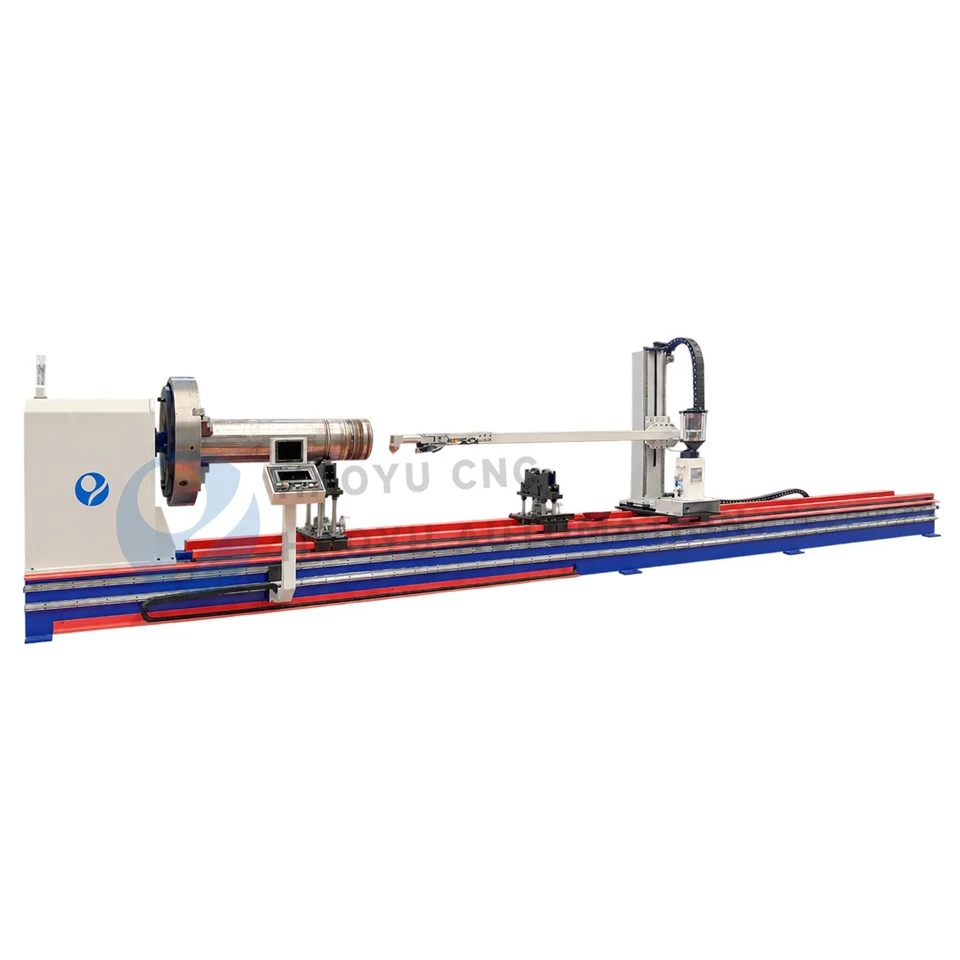
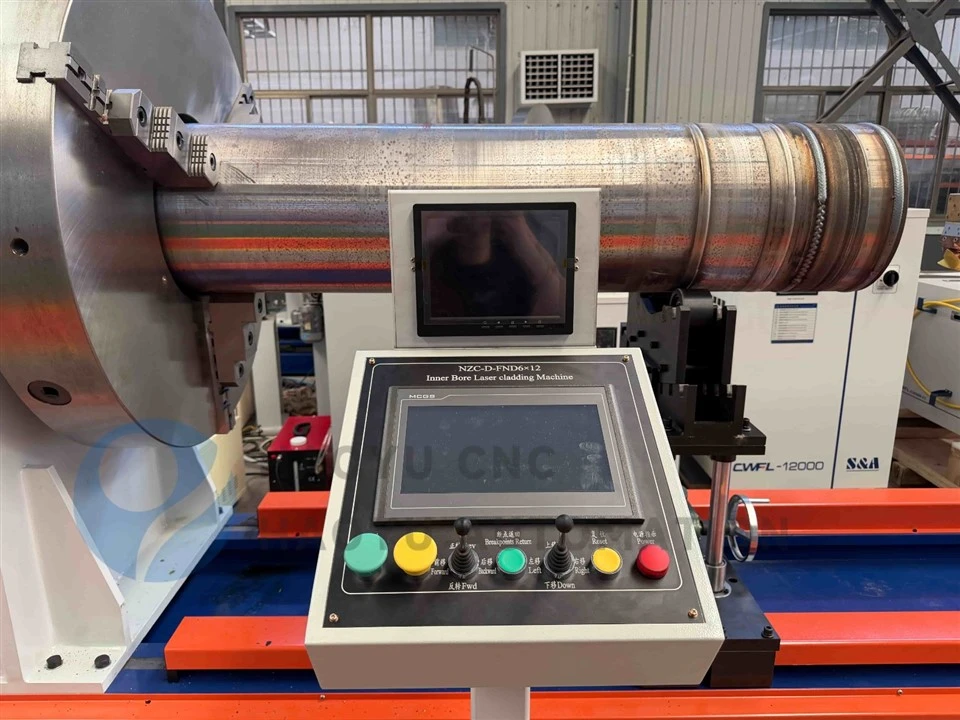
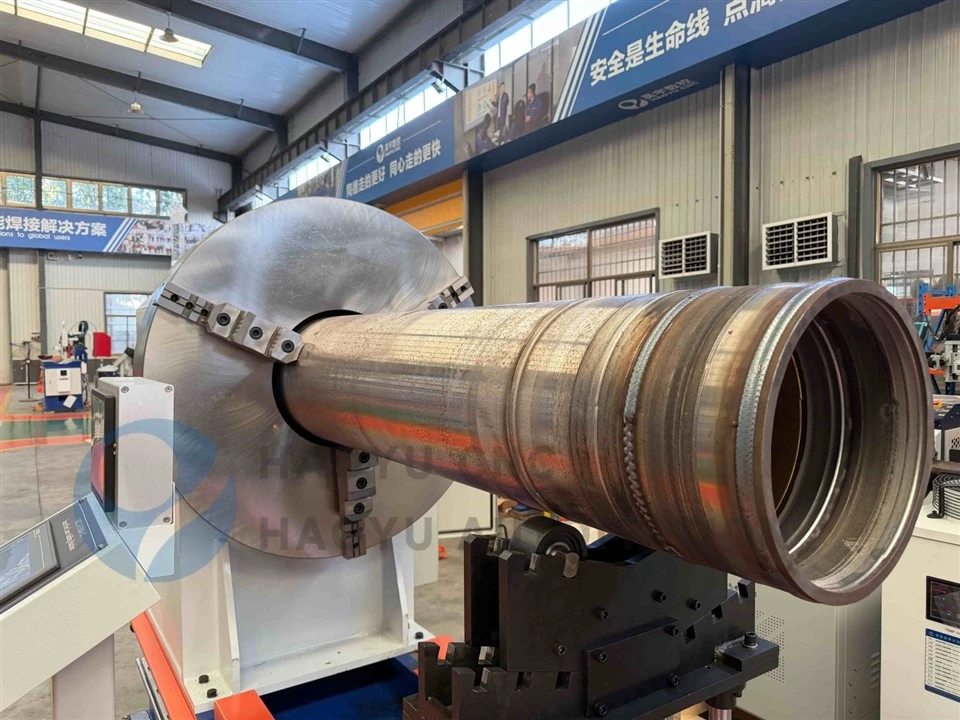
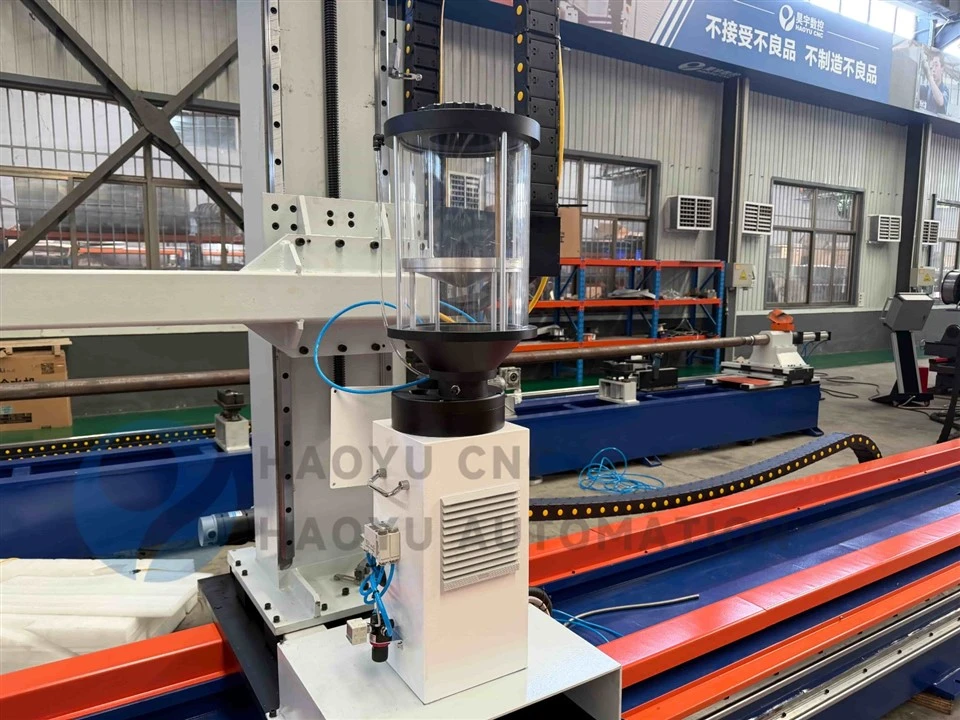
The machine combines a fiber laser source, coaxial laser cladding head, precision powder feeder, CNC motion platform, rotary chuck,water chiller and integrated control system.
It is suitable for shafts, rollers, hydraulic cylinder rods, bearing seats, sleeves, pipes, valves, molds and other metal components.
- Configurable fiber laser power
- Stable coaxial powder feeding
- CNC automatic motion control
- Suitable for cylindrical and flat components
- Low and controlled heat input
- Strong metallurgical bonding
- Custom fixtures and processing lengths available
What Can laser cladding system Do?
This laser cladding machine can be used to:
- Restore worn component dimensions
- Repair shafts and bearing seats
- Rebuild hydraulic rods and rollers
- Apply wear-resistant alloy coatings
- Improve corrosion and erosion resistance
- Repair local cracks, pits and damaged surfaces
- Replace selected hard chrome plating applications
- Extend the service life of expensive industrial parts
Laser cladding equipment can solve the failure problems of high-value metal components in industries such as aerospace, energy, automotive, petrochemical, and mining machinery caused by wear, corrosion, high-temperature fatigue, or accidental damage. Through rapid repair and surface strengthening, it can significantly extend the service life of components and reduce replacement costs.
Complete Machine Configuration
| System | Configuration |
|---|---|
| Laser source | Continuous-wave fiber laser |
| Laser power | 3–6 kW Customizable |
| Cladding head | Coaxial powder-fed laser cladding head |
| Powder feeder | Single- or double-cylinder powder feeder |
| Motion system | CNC-controlled linear axes |
| Workpiece rotation | Motorized rotary chuck |
| Workpiece support | Adjustable tailstock |
| Cooling system | Industrial water chiller |
| Control system | PLC with industrial HMI |
| Gas system | Carrier gas and shielding gas control |
| Safety protection | Enclosure, interlock and protective window |
| Optional system | Vision, height following and monitoring |
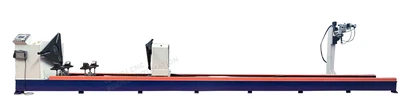
The fiber laser cladding machine Structural diagram & Renderings


Main Advantages
- Precision Powder Feeding
The powder-feeding system continuously delivers powder into the laser processing area. Feed rate can be adjusted according to coating material, layer thickness and processing speed.
- Strong Metallurgical Bond
The laser melts the delivered powder together with a thin layer of the substrate, forming a metallurgical bond between the coating and the workpiece.
- Controlled Heat Input
Concentrated laser energy reduces unnecessary heating of the component, helping control deformation and the heat-affected zone.
- Automatic PLC Control System
The PLC controls longitudinal movement, transverse positioning and workpiece rotation. Processing parameters can be stored for repeat production.
- Suitable for Dimensional Restoration
Multiple tracks or layers can be deposited to rebuild worn areas. After cladding, the component can be turned, milled or ground back to its required dimensions.
- Customizable for Different
Processing length, swing diameter, chuck capacity, tailstock structure, laser power and number of motion axes can be customized.
- Equipped with a camera
The laser cladding equipment is equipped with a camera for real-time monitoring of the cladding process and surface finish quality.
How the Laser Cladding Process Works
1.The workpiece is cleaned and mounted on the chuck.
2.The cladding head is positioned above the machining area.
3.A laser forms a controllable molten pool on the workpiece surface.
4.Alloy powder is fed through a coaxial nozzle.
5.The powder melts and bonds with the substrate.
6.The spindle and CNC axes move along a preset path.
7.Adjacent cladding paths form a continuous coating.
The Typical Applications
- Shaft Repair
Restore worn shaft surfaces, bearing seats and sealing areas. The deposited layer can be machined or ground to the required tolerance.
- Hydraulic Rod Restoration
Repair corrosion, scratches and dimensional wear on hydraulic cylinder rods and piston rods.
- Roller Remanufacturing
Apply wear-resistant coatings to steel, mining, paper-making and conveying rollers.
- Wear-Resistant Coating
Deposit iron-, nickel-, cobalt- or carbide-based alloys on selected surfaces to improve service life.
- Corrosion-Resistant Coating
Apply corrosion-resistant alloy only to the functional surface, reducing the need to manufacture the entire component from expensive material.
FAQ
1.What is a powder-fed laser cladding machine?
A powder-fed laser cladding machine uses a laser to create a controlled molten pool while metal powder is delivered into the processing area. The powder melts and forms a metallurgically bonded layer on the component.
2.What parts can the machine repair?
Typical parts include shafts, hydraulic rods, rollers, bearing seats, pump components, sleeves, valves, molds and other cylindrical or flat metal parts.
3.What laser power should I choose?
Laser power should be selected according to workpiece size, coating material, required deposition rate, coating thickness and permissible heat input.
4.Can the machine process different alloy powders?
Yes. It can process qualified iron-, nickel-, cobalt- and stainless-steel-based powders. Powder compatibility must be confirmed through testing.
5.Can it repair long shafts?
Yes. Machine-bed length, chuck diameter, tailstock and load capacity can be customized according to the shaft dimensions.
6.How thick can the cladding layer be?
The achievable thickness depends on the alloy, workpiece geometry and process parameters. Multiple layers can be deposited when greater dimensional restoration is required.
7.What determines the machine price?
Price depends on laser power, processing length, workpiece diameter and weight, number of CNC axes, powder feeder, monitoring functions, enclosure and optional machining equipment.
Hot Tags: powder-fed laser cladding machine, China, manufacturers, suppliers, factory
Send Inquiry
You Might Also Like