


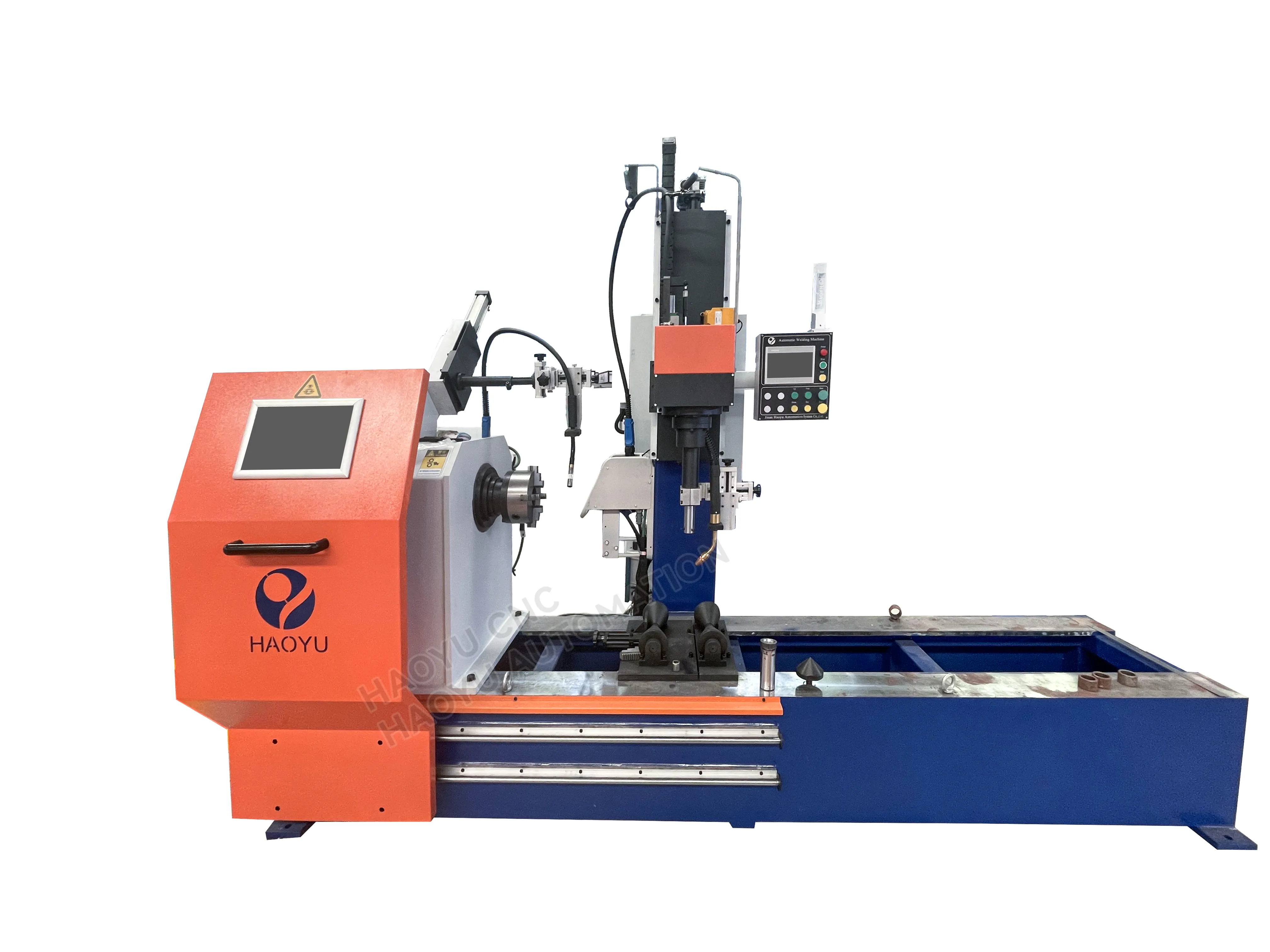


Hydraulic cylinder welding equipment with multi-function
Unlike general equipment that can only complete welding of a single part, this hydraulic cylinder welding equipment can be used for welding both hydraulic cylinder end caps and oil nozzles. One machine can cover the welding needs of two different workpieces, making it more multifunctional, flexible, and versatile.
Description
Hydraylic cylinder welding machine with muti-function
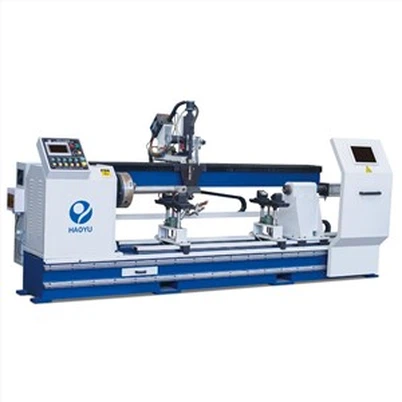
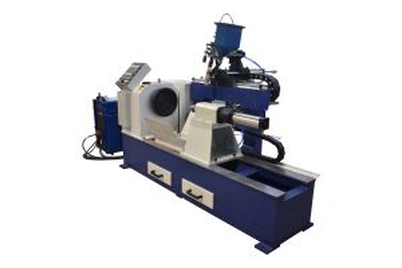
This automatic welding machine is used for welding hydraulic cylinders or fittings.To meet the demands of multi-functional welding, this equipment features a customized structural design: When welding the cylinder end cap, a chuck on the spindle box clamps and drives the workpiece to rotate, while a dedicated welding torch completes the 360° circumferential weld of the end cap; for nozzle welding, a dedicated welding head and positioning fixture are used to position and weld the nozzle. Through these specialized mechanisms, the equipment can handle both end cap and nozzle welding tasks.
What's welding problem does it solve?
This welding equipment is primarily provided to professional manufacturers or suppliers of hydraulic cylinders and it can solve the following problems for them:
. Solving the problem of "high equipment investment and large space occupation"
For small and medium-sized manufacturers or repair shops, purchasing a separate end cap circumferential welding machine and a cylinder nozzle fillet welding machine means doubling the investment and space required. This equipment, by sharing core modules such as the spindle box and control system, achieves two welding modes by simply changing the dedicated welding torch, machine head, and positioning fixtures, significantly reducing the initial equipment investment threshold and workshop floor space for customers.
. Solving the Pain Points of "Difficult Positioning and Poor Sealing in Oil Nozzle Welding"
The difficulty in welding oil nozzles lies in their unique location and the poor weld affinity caused by their bevel shape. Manual welding is prone to porosity and incomplete welds, ultimately leading to hydraulic oil leakage. This equipment's specialized welding head and positioning fixture ensure that the oil nozzle is precisely fixed and pressed against the workpiece surface. Combined with automated welding parameter control, it fundamentally guarantees the sealing of the connection and the strength of the weld, solving this industry-wide problem.
. Solving the problem of "reliance on highly skilled welders and unstable quality" Overseas markets also face the challenges of a shortage of skilled welders and high labor costs. Automated welding embeds process parameters (current, voltage, rotation speed, welding torch oscillation) into the program, which is precisely controlled by a PLC controlled welding system, eliminating the fluctuations caused by manual operation.
. Solving the Flexibility Challenge of "Small Batch, Multiple Variety" Production
For customers with a wide variety of orders, the high adaptability of this equipment is a key advantage. By quickly changing fixtures and recalling preset programs, the equipment can adapt to hydraulic cylinders of different diameters and lengths, as well as nozzles of different specifications. This allows customers to economically handle small batch orders, achieving flexible production of "multiple varieties, small batches" without having to purchase dedicated machines for each new product.
. Solving the Problem of "Deformation and Efficiency in End Cap Circumferential Welding"
The welding quality of the end cap circumferential weld directly affects the sealing and service life of the hydraulic cylinder. The equipment clamps the workpiece with a chuck and drives it to rotate at a uniform speed, while the welding torch is fixed (or swings according to a program), ensuring uniform circumferential weld formation and consistent penetration depth, effectively controlling welding heat input and deformation. Compared to manual welding, the entire circumference can be welded in a single setup, significantly reducing auxiliary time and manual intervention.
The hydraulic cylinder welding machine Main features
1.Workpiece Positioning and Clamping System:
Cylinder Positioning Mechanism: This typically utilizes custom fixtures to ensure the cylinder axis aligns with the center of the weld path.
Nozzle Positioning and Clamping Mechanism: This is a critical component. A precision fixture (possibly pneumatically or hydraulically powered) precisely positions and clamps the nozzle into a pre-machined hole in the cylinder wall.
2.Welding Power Supply and Wire Feed System:
Welding Power Supply: Typically uses a high-performance digital inverter gas shielded welding (MIG/MAG) power supply with stable output and precise control.
Wire Feed Mechanism: Equipped with a precision wire feeder and wire straightening mechanism to ensure smooth and stable wire feeding.
3.Electrical Control System:
The "brain" of the equipment, typically using a PLC (Programmable Logic Controller) and a touch screen (HMI) as its core.
Functions: Stores multiple welding programs (for different cylinder diameters and nozzle types) and controls all operation sequences.
The hydraulic cylinder Weling machine structures

The operator hoists or places the oil cylinder on the positioning fixture and puts the nozzle into the corresponding fixture. After starting the equipment, the fixture automatically moves to accurately clamp the oil cylinder and nozzle. The welding gun automatically moves to the arc starting point. The welding power is output according to the preset program. The welding gun starts to make a circular motion around the nozzle to complete the 360° fillet weld.
The rotary chuck precisely clamps and rotates the cylinder barrel at a constant speed. By working in conjunction with the welding gun, the rotary chuck ensures uniformity and stability of the weld during circumferential welding, thereby greatly improving the consistency of welding quality and production efficiency. At the same time, the cylinder welder is also equipped with a separate welding gun for the welding cylinder, which, according to the preset welding parameters, makes the welding quality more perfect.


The equipment is equipped with two separate control systems: the cylinder has its own operating panel, and the nozzle has its own operating panel, which can be used to easily set and adjust welding parameters such as welding speed, current and voltage, swing amplitude and frequency, etc., to ensure that the welding process can be carried out stably, efficiently and automatically.
What information do you need to provide for custom welding equipment?
To customize this dual-function welding equipment for "cylinder end caps + nozzles" for you, the more complete the information you provide, the more accurate the solution, tooling, and quotation will be. Typically, you will need to provide the following types of information:
1.Workpiece Information: Drawings or samples of the cylinder end cap and nozzle, including dimensions, material, weight, bevel type, weld location, and nozzle coordinates.
2.Welding Requirements: Welding method, welding materials and shielding gas, process parameters, weld quality standards, and flaw detection/airtightness requirements.
3.Production Requirements: Target cycle time or output, changeover frequency, loading and unloading methods, and whether automation is required.
4.Site Conditions: Power supply voltage/frequency, gas supply, space dimensions, environment, and required certifications (CE, etc.).
5.Acceptance and Commercial Considerations: Acceptance criteria, sample testing methods, budget, delivery date, training, and after-sales requirements.
Other Related products for your reference
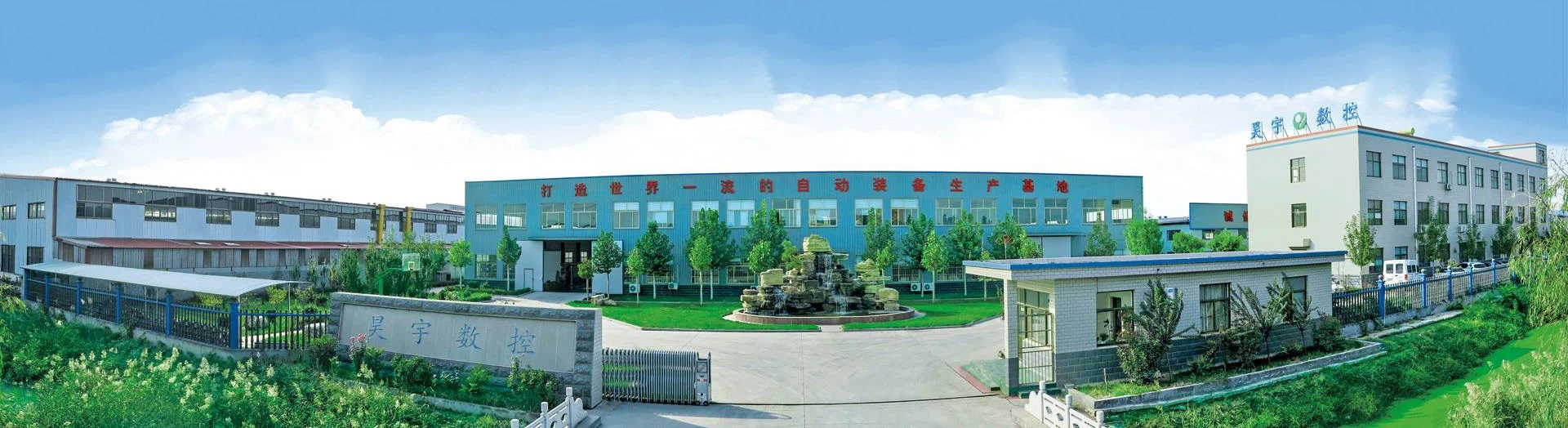
Our factory & quipment
Lorem ipsum dolor sit, amet consectetur adipisicing elit.


Oriental Hot
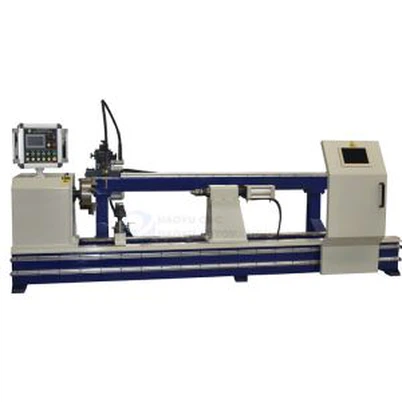
This dual-function hydraulic cylinder welding equipment primarily covers two needs: end cap circumferential welds and nozzle welding. In hydraulic cylinder manufacturing, components such as the cylinder bottom, flanges, mounting bases, and piston rods also require professional and stable welding solutions. We also offer a series of equipment for end cap/cylinder bottom circumferential welds, piston rods, flanges, and robotic welding workstations, catering to these different components and weld types. Meanwhile, hydraulic cylinder assembly machines are becoming increasingly popular among manufacturers. Whether you require customized single machines or multi-process line integration, flexible configuration based on workpiece specifications, production capacity, and site conditions is possible, achieving comprehensive coverage of critical hydraulic cylinder welds.
Other products for your reference


Hot Tags: Hydraulic cylinder welding equipment with multi-function, China, manufacturers, suppliers, factory
Send Inquiry
You Might Also Like